Today is my last day staying in the lab at Durham University.
On the way to the lab, I casually recorded two very ordinary scenes. I did not expect that these small fragments would become the clearest and most precious final lesson this old city gave me.
The original two-minute video is slow. If you would like, you can watch it first and then read this reflection:
Durham’s last lesson, originally shared on WeChat
Durham Cathedral across the River Wear
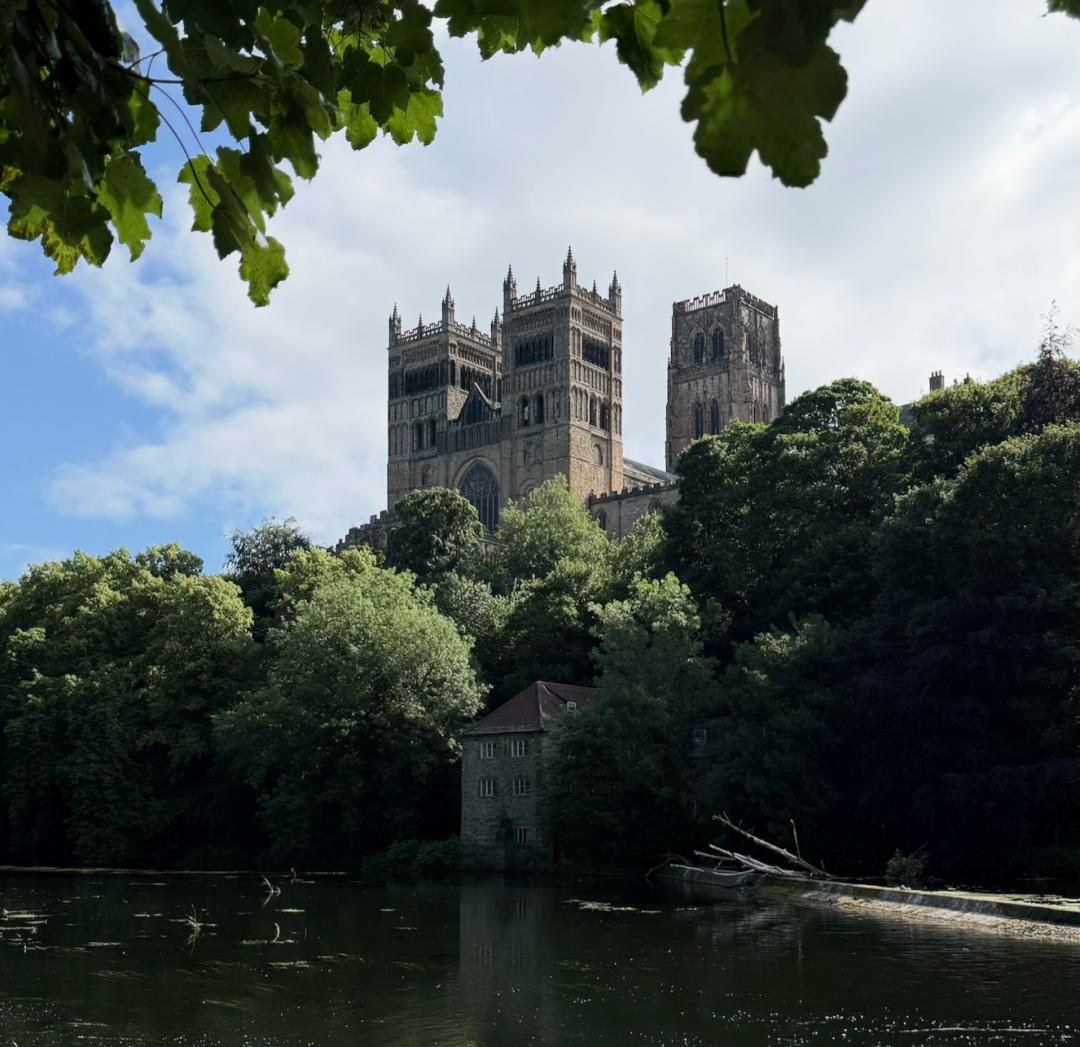
Durham is an old city with a thousand years of English academic and religious memory settled into its stones.
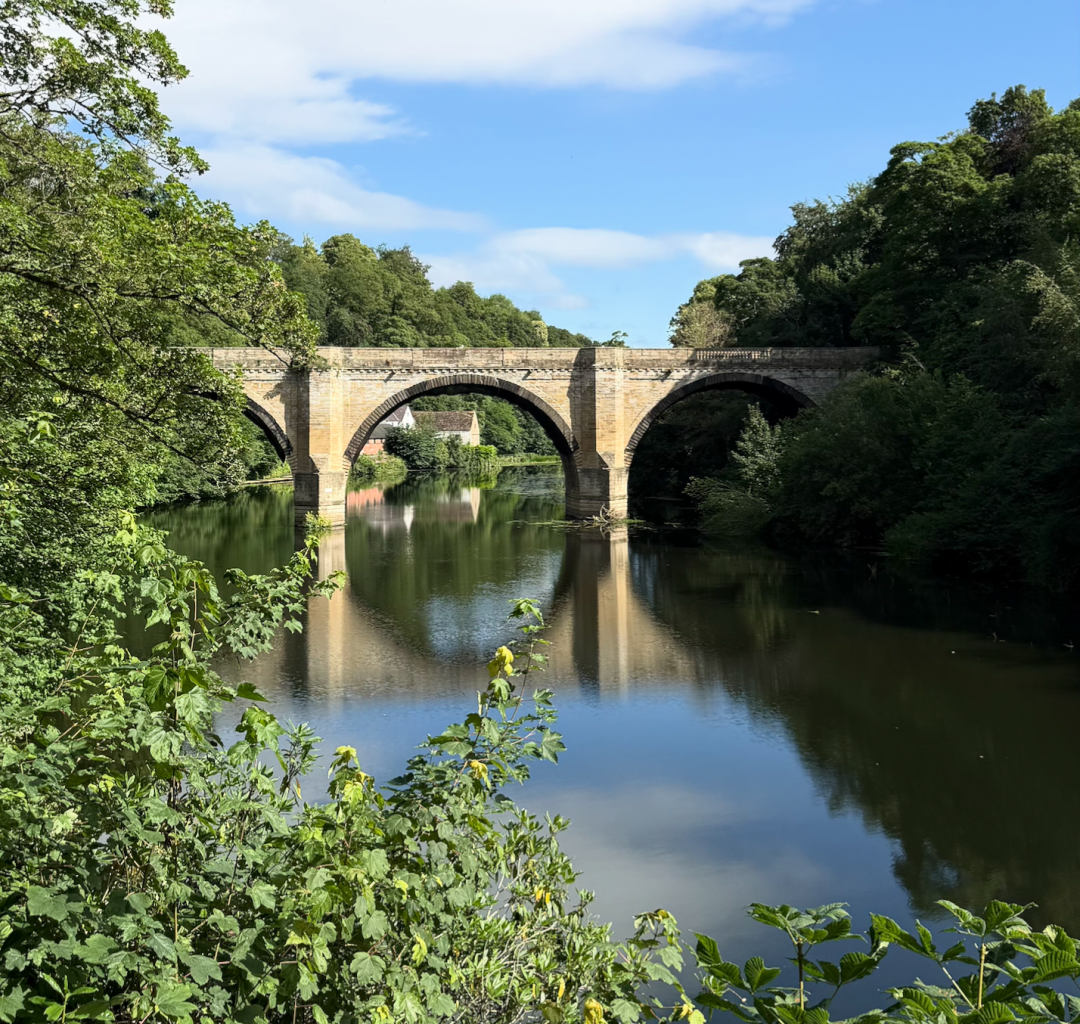
The River Wear runs through it. Old stone bridges cross the water. For centuries they have watched people come and go.
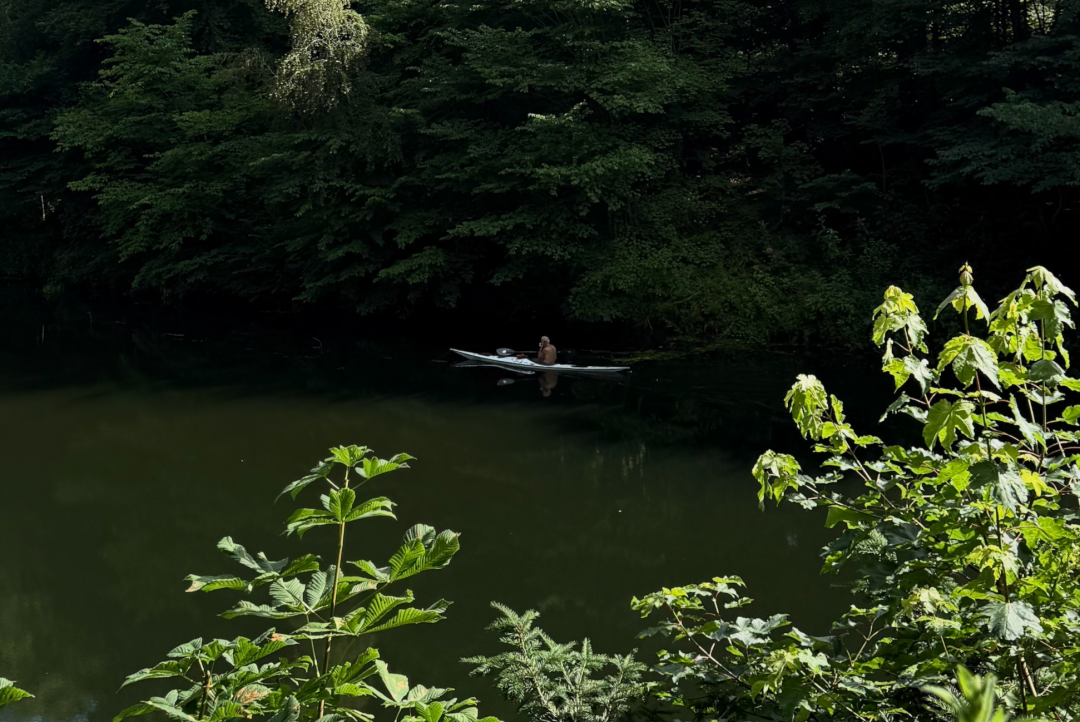
In the first scene, an elderly man sits alone in a narrow boat, rowing without hurry.
There is no rush to arrive. No forced sense of purpose.
The boat simply follows the rhythm of the water, moving slowly under the weathered stone bridge. The river murmurs. The oars move lightly. The old buildings are reflected on the water. Time seems to slow down here.
The rower on the River Wear
We are so used to chasing speed.
We look for shortcuts, quick results, visible progress, and a faster way forward. But the old man rowing on the river taught me the first lesson:
Real progress is not always a sprint against the current. Sometimes it is the ability to follow the rhythm, keep direction, and move calmly.
Life and research do not come with a permanent acceleration button.
Some journeys do not need to be rushed. The current has its own speed; the road has its own turns. If you keep your rhythm and hold your direction, even slow steps can carry you through one crossing after another.
When we are restless, sprinting often disturbs the mind more than it helps the work.
To move without haste is sometimes the only way to go far.
The stone bridge over the River Wear
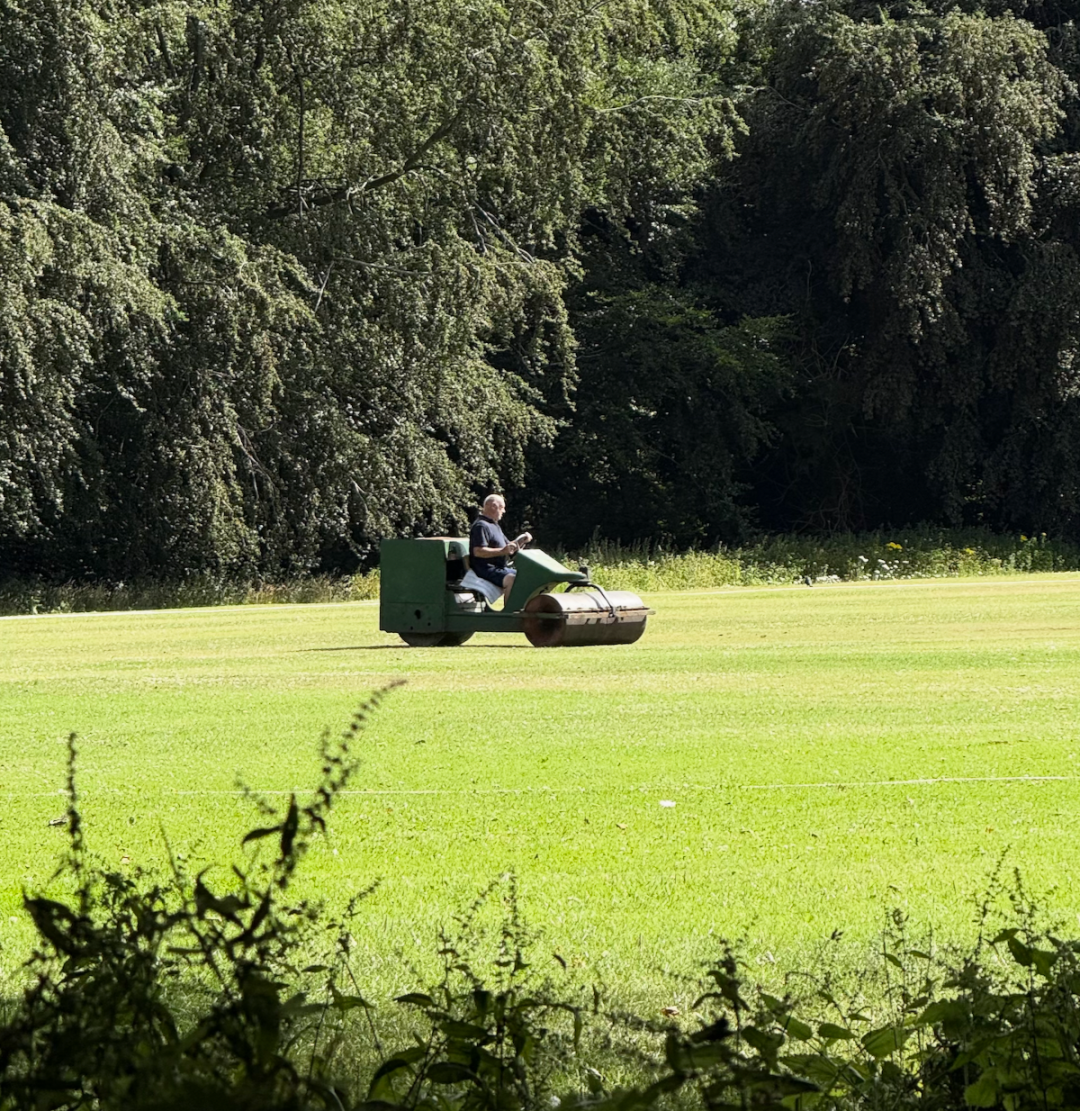
Not far from the river, on a campus lawn, I recorded the second scene.
A groundskeeper was driving a small roller over the grass, slowly compacting and leveling the ground again and again.
There was no dramatic finish. No visible breakthrough. No shortcut.
The machine simply moved at a steady pace, pressing the soil, strengthening the roots, turning loose ground into something firm enough to carry future growth.
That scene captured the deeper lesson of this year abroad:
root deep, build steadily.
The groundskeeper’s roller
Academic research and long-term professional work are not so different from cultivating that lawn.
The clean and even surface never appears from nowhere. What can be seen above the ground depends on work that has been done below it.
Loose soil cannot hold strong growth. A restless foundation cannot support serious research.
The repeated, boring, almost invisible work is the real basis of growth: revising, validating, rebuilding, checking, documenting, and returning to the fundamentals when no one is watching.
Every impressive result has roots somewhere.
Every long-term improvement depends on slow accumulation that was once easy to ignore.
The hardest part of a year abroad
I have been moving between Newcastle and Durham for almost a year now.
The days of research went by quickly. More than once, I felt the uncomfortable pressure of not having enough time.
Living and working abroad, I carried a quiet anxiety: if I slow down, will I fall behind the pace back in China? While I am here reading, thinking, and rebuilding foundations, are my peers moving faster somewhere else?
That anxiety about progress and time made me restless for a while.
Then, on the day of leaving, the small boat on the Wear and the roller on the lawn helped me loosen that knot.
This was Durham’s last lesson to me.
It was not a theory of research. It was not an engineering method. It was a lesson carried by the temperament of the city:
move like water, without haste; build like roots, with depth.
Calm outside, solid inside
Calmness is the rhythm we show to the outside world.
Solidity is the foundation we build inside ourselves.
Outwardly, learn from the man crossing the river: follow the season, keep the mind steady, and move toward the road ahead without panic.
Inwardly, learn from the groundskeeper compacting the soil: go down to the base, strengthen it step by step, remove restlessness, and build something that can carry weight.
This applies to research.
It applies to mentoring students.
It applies to engineering.
It applies to walking a road, and to living a life.
We do not have to chase every fast-moving wave.
We do not have to be anxious about whether we are moving faster or slower than others.
Slow the steps. Deepen the roots.
The road is long. Steadiness matters more than speed.
Taking the lesson with me
I am leaving Durham, but I am taking this lesson with me.
In research, in work, and in life, I hope to keep a little more calmness in how I move and a little more depth in how I build.
Moving without haste is a rhythm for facing the world.
Rooting deeply is a foundation for holding oneself together.
Originally published in Chinese on the WeChat channel “张玉新-AutoZYX”. Video link: Durham’s last lesson.